Bookkeeping & cloud accounting

Records that stay filing-ready all year, not just in the last fortnight

Reconciliations, receipts, invoice records, bank feeds and cloud accounting set up so the position is known during the year — and so year-end is a review rather than a reconstruction.

  • Reconciliations
  • Bank feeds
  • Receipt capture
  • VAT-ready
  • Reporting

Bookkeeping and cloud accounting support depends on records provided, software access, bank feeds, receipts, invoices, transaction volume, VAT requirements, payroll links, reporting needs, and agreed service scope.

Bookkeeping workspace with transaction listings and a notebook, used as context imagery.

Reviewed each period

  • Bank and card reconciliation
  • Receipt and invoice evidence
  • VAT coding and quarter readiness
  • Gaps listed, never estimated

What the service covers

Twelve components of a working bookkeeping function

Bookkeeping is where every later tax question is either answered or made expensive. It is treated as the foundation, not as data entry.

  • Bookkeeping

    Transactions recorded and categorised consistently, so the ledger describes the business rather than merely balancing.

    • Consistent chart of accounts
    • Categorisation rules agreed
    • Queries raised, not guessed
  • Reconciliations

    Ledgers agreed to bank and card statements for each period, with unmatched items investigated rather than carried forward indefinitely.

    • Bank and card reconciliation
    • Unmatched items investigated
    • Period cut-off respected
  • Receipts

    Receipt capture routines that produce legible, dated, matched evidence at the time of the transaction rather than at year-end.

    • Capture at point of spend
    • Matched to the transaction
    • Retention requirements met
  • Invoice records

    Sales invoices numbered, issued and traceable through to payment, so debtors and revenue recognition are both reliable.

    • Sequential and traceable
    • Aged debtor visibility
    • Revenue period allocation
  • Bank feeds

    Feeds connected for all business accounts and cards, with breakages noticed early instead of at the point of filing.

    • All accounts connected
    • Feed breakages monitored
    • Duplicate handling
  • Cloud accounting

    Setup and ongoing use of cloud platforms, configured around how the business actually operates. Software is supplied by the provider under its own terms.

    • Sensible initial configuration
    • Access and permissions
    • Provider terms apply
  • Digital record keeping

    Records kept in a digital form suitable for the filings they support, with an eye on Making Tax Digital requirements where they apply.

    • Digital links preserved
    • MTD-aware record structure
    • Backup and access considered
  • VAT-ready records

    Bookkeeping structured so a VAT return can be prepared from the records without a reconstruction exercise each quarter.

    • VAT codes applied correctly
    • Partial exemption flagged if relevant
    • Quarter-end readiness
  • Monthly / quarterly reporting

    Regular figures produced to an agreed format, so the position is known during the year and not only after it.

    • Agreed reporting cadence
    • Formats that suit decisions
    • Trends visible early
  • Record-health checks

    Periodic review of whether the records would stand up if a return had to be filed tomorrow.

    • Completeness review
    • Evidence quality review
    • Practical fixes suggested
  • Missing record review

    Gaps identified, quantified and listed, with a route to closing them agreed rather than an estimate quietly inserted.

    • Gaps listed openly
    • Source options identified
    • No invented figures
  • Management information

    Bookkeeping turned into something usable: profitability, cost drift, debtor position and the developing tax picture.

    • Profit and margin visibility
    • Cost drift identified
    • Tax position emerging early

Scope and dependencies

Bookkeeping and cloud accounting support depends on records provided, software access, bank feeds, receipts, invoices, transaction volume, VAT requirements, payroll links, reporting needs, and agreed service scope.

Recommendations depend on client status, income, expenses, records, business structure, applicable tax rules, HMRC guidance, deadlines, eligibility, evidence, and agreed terms.

Premium subsection

Better records create better tax decisions

The link between bookkeeping and returns optimisation

Almost every legitimate opportunity on a tax return depends on a record that had to exist before the opportunity was identified.

Consider an allowable expense review. If costs have been categorised consistently and receipts captured at the point of spend, the review is a matter of judgement about treatment. If they have not, the review starts with three weeks of forensic work to establish what was actually bought and why — and even then, the position rests on memory.

The same applies to reliefs and offsets. Eligibility usually turns on facts that were knowable at the time and are difficult to demonstrate afterwards: what an asset was used for, why a journey was made, when a decision was taken. Good bookkeeping is simply the practice of writing those things down while they are still true.

That is why bookkeeping is priced and treated here as advisory groundwork rather than as an administrative add-on. It is the part of the year that determines what is available in the last week of it.

  • Returns optimisation depends on evidence that already exists
  • VAT readiness removes the quarterly scramble
  • Allowable expenses are identifiable when categorisation is consistent
  • Offsets are supportable when business purpose was recorded at the time
  • Relief evidence is available because it was captured, not reconstructed
  • Deadline control comes from knowing the position before the deadline
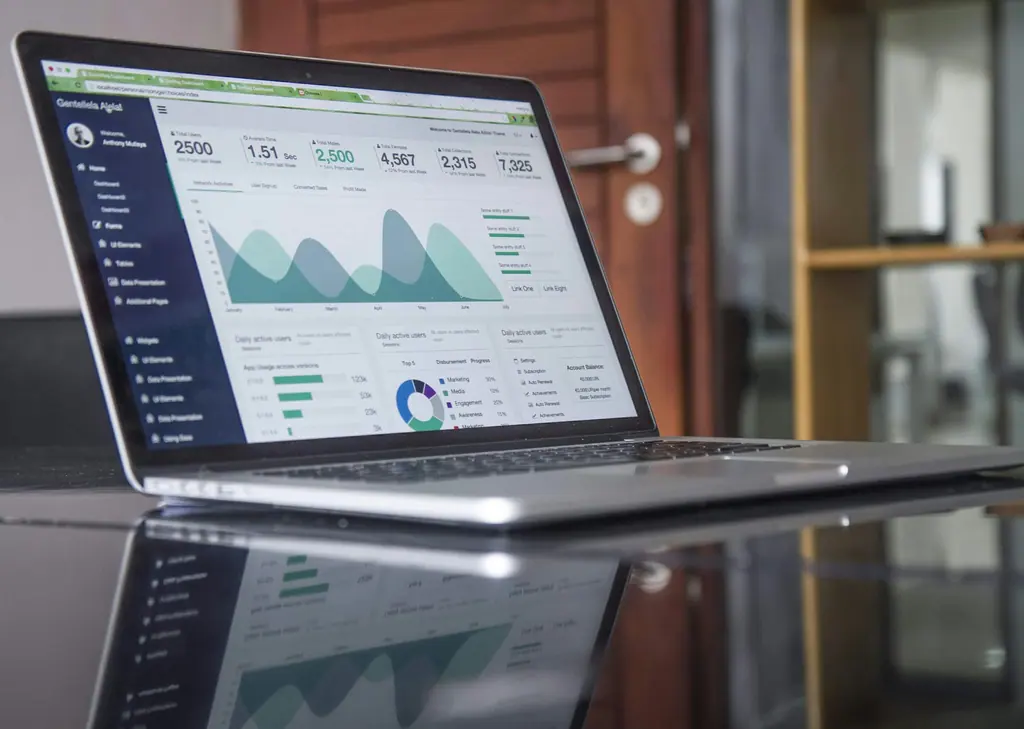
Laptop displaying cloud accounting software dashboards, used as context imagery.
Context imagery only.

Third parties and platforms

HMRC, Companies House, pension providers, payroll software, cloud accounting platforms, banks, insurers, lenders, auditors, solicitors, and other third parties may have separate rules, costs, deadlines, availability, requirements, and terms.

Cloud accounting subscriptions, payroll software, bank feeds, filing software and agent authorisations are provided by those third parties under their own terms. Availability, feature changes, outages, pricing and processing times are outside our control.

No guaranteed outcomes

Tax refunds, tax savings, tax-credit outcomes, relief eligibility, HMRC acceptance, filing outcomes, audit outcomes, penalty avoidance, cash-flow improvements, and commercial results are not guaranteed.

Business records health

Document readiness before filing

Most tax problems are record problems wearing a different hat. A records-health review establishes what is genuinely available before any figure is committed to a return.

Books and reconciliations

  • Bookkeeping quality Is every transaction categorised consistently?
  • Reconciliations Do the ledgers agree with the bank?
  • Bank feeds Are all business accounts and cards connected?
  • Missing records Commonly the weak point — gaps are listed, not guessed.

Evidence and documents

  • Receipts Legible, dated and matched to the transaction.
  • Bank statements Complete for the full period, all accounts.
  • Invoice records Sales invoices numbered and traceable to payment.
  • Expense categories Business purpose identifiable from the record itself.

Returns and obligations

  • VAT records Digital records suitable for the return being filed.
  • Payroll records Starters, leavers, payslips and RTI submissions.
  • Cloud accounting setup Chart of accounts and access configured sensibly.
  • HMRC & Companies House deadlines Known, diarised and working backwards from.

Accounting enquiry

Tell us what software you use and how far behind the records are.

Dalton & Holland Accounting Ltd supports accounting and tax enquiries shaped around records, income, expenses, allowances, reliefs, credits, deadlines, evidence requirements, HMRC rules, and agreed advisory scope.

Please do not send UTRs, National Insurance numbers, HMRC Government Gateway credentials, bank logins, payroll passwords or tax identifiers through this website. Sensitive documents are shared through a secure agreed channel after initial contact.